Enabling communities to discuss complex and futuristic scenarios
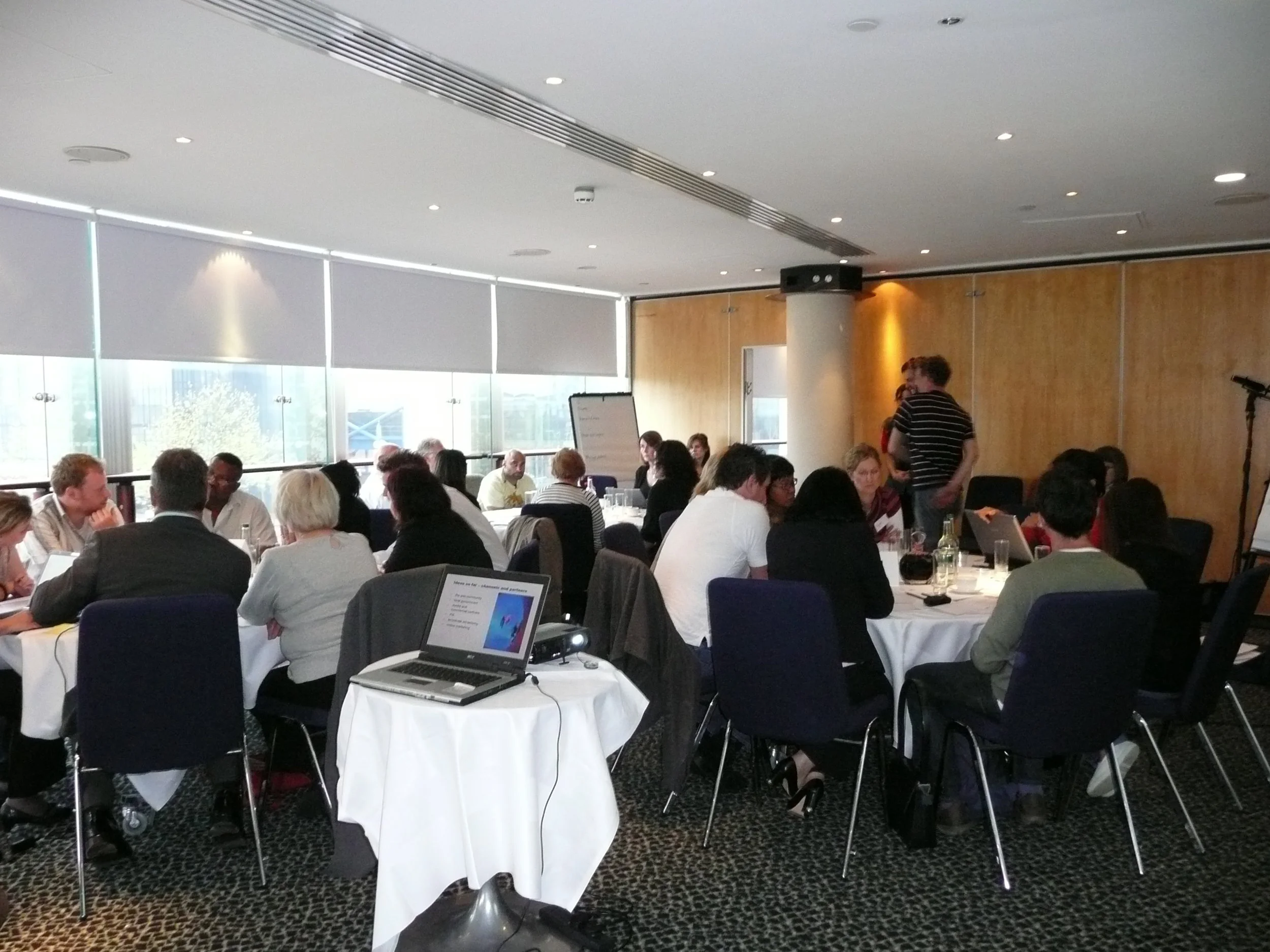
Many of our clients are keen to engage their communities on complex, challenging and futuristic issues as these are the very dilemmas that might benefit most from consumers’ and citizens’ input. But, this can be challenging, as we may be asking people to think about issues they have simply never considered and they may have no experience to draw on.
Read More
Engaging with people affected by trauma
In the next of our articles on involving people from ‘seldom-heard’ communities in research, we take a look at how to engage with people who have experienced trauma.
A couple of our recent projects have involve people who have been through exceptionally distressing experiences: The British Red Cross wanted to understand people’s experiences of receiving support in the aftermath of a major emergency, and Citizens Advice needed evidence from people with experience of domestic abuse to explore the role of post in domestic abuse. We share our lessons from these projects in this article on identifying, involving and representing people with experience of trauma in research.
Read More
A Citizens' Jury on London's Green Belt
London First, the capital’s leading business group, commissioned Community Research to convene a Citizens’ Jury comprising 12 Londoners, broadly representing London’s demographics, to answer the question: “Should current Green Belt restrictions be reviewed to help tackle London’s housing crisis?”
Read More
Trust and the Gen Z Consumer
Trust is a hot topic at the moment– and not just in the run up to the general election. Earlier this year, as part of our 10th Anniversary celebrations, we conducted an in-house piece of research looking at Trust amongst Gen Z.
Read More
Achieving a customer-centric approach - The Portsmouth Water Customer Advisory Panel
The annual MRS Utilities conference took place earlier this month, providing an opportunity for research agencies, utilities companies, regulators and watchdogs to showcase their work over the past 12 months. Community Research and Portsmouth Water jointly presented their Customer Advisory Panel (CAP). The last word was given to one of the CAP members who summed up what it was like to be involved in the 18 month process.
Read More
How the connections in our world are changing
Over the last 30 years things have changed a great deal in the world of research and engagement, but without doubt the most rapid changes have happened in the last 10 years. In fact probably the fastest change has been in the last 5 years. During this time, there has been a fundamental shift in the relationships between the main players.
Read More
Citizens Assemblies - a new wave of interest in citizen deliberation
We can’t be the only ones who have noticed the seemingly sudden spike in interest in citizen deliberation. Ideas for ‘Citizens Assemblies’ and ‘Mini-Publics’ seem to be popping up all over the place. We firmly believe in these processes as a powerful way of engaging citizens and communities in the decisions affecting their lives. .. but we have a few words of caution for those seeing them as a panacea to distrust in democracy.
Read More
Engaging with Transgender people
In the second of our articles on involving people from ‘seldom-heard’ communities in research, we take a look at how to engage with transgender people. This article outlines our top tips for including trans people in research.
Read More
Putting people at the heart of emergency response
The British Red Cross commissioned Community Research to engage with people with direct experience by major emergencies in the UK, including Red Cross staff/volunteers, the voluntary and community sector and members of the public who have lived experience of major emergencies. The research project focussed on the support received by affected people and the extent to which needs were met during and in the aftermath of the emergency.
Read More
Engaging with Deaf people: Top tips
This is the first part of our new series looking at how to involve ‘seldom-heard’ people and communities in research. Through research, we want to help organisations understand how they can make sure that their goods and services benefit everyone, without leaving people vulnerable to poorer or inaccessible services that don’t meet their needs. It’s not always straightforward, so in this series we share our experience of how to involve people with different or extra needs in research.
Read More
Online qualitative research - Why it might work for you.
Online qualitative research can have a number of advantages over traditional face to face approaches. We are using this approach more and more often and here are our main observations:
Read More
We are nearly 10 years old!
In January 2009 Community Research began trading in earnest, having been registered at Companies’ House six months before. The company began with one founding director, Rachel Lopata and with plans to make the most of the learning gained from over 15 years in market and social research and to deliver work with the help of a great network of skilled colleagues who were already freelancing or considering doing so. A great deal has changed in the last 10 years……
Read More
Doctors under pressure - the latest research
We are delighted to have contributed to the GMC’s latest State of Medical Education and Practice Report. Our full research report will be published in the New Year but some of our emerging findings are covered in Chapter 3 of the GMC’s annual report.
Read More
Three core steps to build trust
‘Trust’ as a concept, is increasingly on the agenda with media and the public questioning whether there is a ‘trust crisis’ in today’s world.
Read More
Making difficult investment decisions accessible to customers
Listening to customers, inviting feedback on services and exploring their views on where and how money should be invested is crucial to establishing a sustainable approach to future water supplies. In advance of submitting its latest Water Resources Management Plan (WRMP), South Staffs Water (incorporating Cambridge Water) commissioned Community Research to carry out a study with household, business and future customers to help them to understand customers’ priorities and to invite them to share their views on a variety of investment options. The information has been used to develop the companies’ draft WRMPs and to contribute to their Business Plans.
Read More
Using animations in deliberative research
We are often required to explain complex issues to research participants in deliberative (informed dialogue) research. Over the years we have used a number of ways to do this and we have successfully helped members of the public to understand the complexities of a wide range of subjects – from the challenges of global food sustainability; to the difficulties facing NHS bodies in redesigning services for a changing population.
Read More